Yale faculty are among the most highly respected scholars in the world, and the Poorvu Center is here to help you bring your expertise into the classroom and support student learning. Through collaborative learning communities, specialized workshops, and personalized consultations, we are here to partner with you to support and enhance the educational experience for all Yale students.

Services & Support
-
Guiding Framework for Teaching and Learning
This framework highlights the teaching philosophy and concepts that shape our educational development programming.
-
Course/Lecture Recording
Recording lectures or presentation materials increases accessibility to your course content while providing opportunities for students to review after class.
-
AI Guidance for Teachers
An overview of AI at Yale with specific support to help you think about discussing or incorporating AI in your class.
-
Teaching Resource Library
A comprehensive collection of articles and guides to support faculty in their teaching across Yale.

Faculty Resources
-
A Guiding Framework for Teaching
The framework highlights the teaching philosophy and concepts that shape our educational development programming
-
A Guiding Framework for Teaching: Resource Page
Instructors can use the framework to guide their teaching choices about assignments, assessments, and classroom facilitation.
-
Active Learning
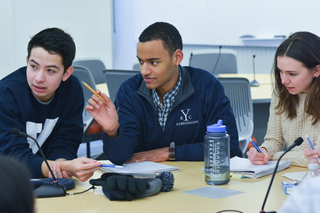
Active learning is instruction that creates opportunities for students to actively participate in the knowledge-making process.

-
Effective Proctoring of Exams
Proctoring styles will vary, but these suggestions are meant to help instructors create a fair environment and reduce confusion.

Faculty Fellows
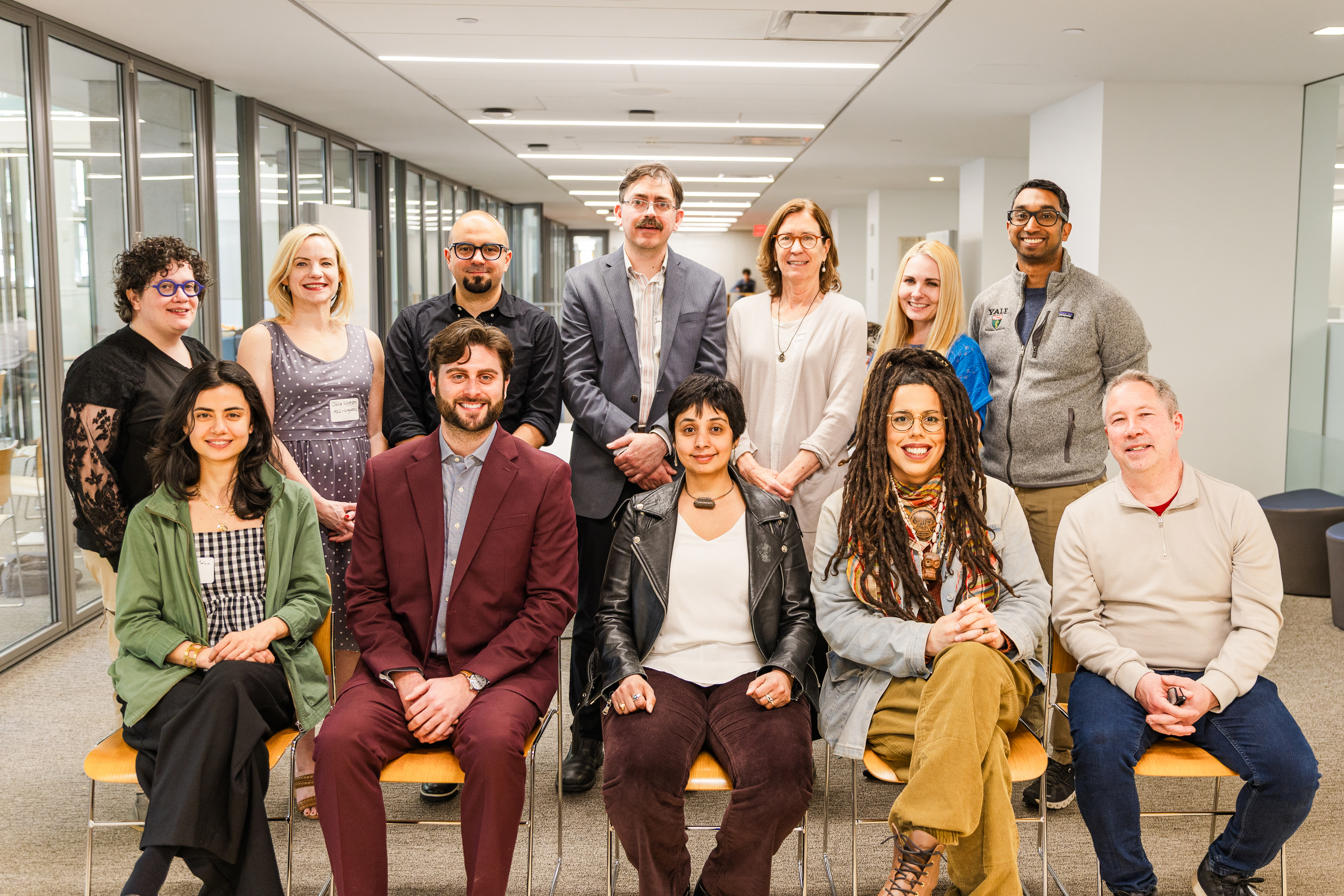
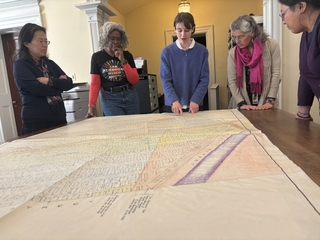
A yearlong opportunity for a small group of faculty from across disciplines to foster discussions around teaching and learning, while promoting equitable teaching practices. Faculty fellows complement the Center’s existing educational development offerings by facilitating sessions for their colleagues that engage in conversations related to accessible or equiteable pedagogies. As ambassadors, the faculty fellows also inform the Center’s future priorities and offerings for faculty, departments, and schools.
Faculty Teaching Academy
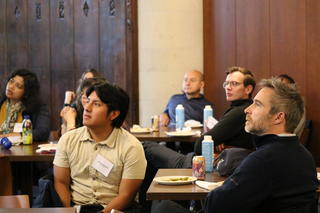
A program that provides faculty within their first three years of teaching at Yale with opportunities to advance their knowledge of scholarly approaches to inclusive teaching and practice foundational skills. Participants must complete six components to receive a $3,000 contribution to their research or professional development accounts:
- two (2) teaching focused events,
- two (2) individual teaching consultations,
- one (1) Poorvu Teaching-intensive Summer Institute or approved alternative,
- (1) six-session learning community,
- (2) two peer classroom observations,
- and (1) final program portfolio.
Course (Re)Design
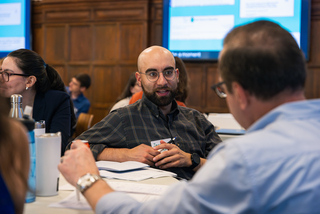
This intensive 3-day teaching program helps instructors design or re-design specific units within a new or existing course. Through the institute, participants will:
- Join a community of Yale instructors and Poorvu Center staff for interactive workshops and structured work time
- Explore pedagogical approaches aligned with teaching values and course goals
- Become aware of university and Poorvu-specific resources to support instructors and students
Blank Canvas
During this in-person or asynchronous workshop, we explore how to create and articulate a comprehensive course syllabus, implement effective organizational strategies, and generate accessible course materials. Additional topics include advanced navigation and the configuration of Canvas gradebook and assignment tools. By the end of the course, you will be equipped to design engaging, inclusive, and well-structured Canvas course sites tailored to diverse student needs.

Teaching Consultations
Any instructor at Yale may request a confidential individual consultation from a member of the Poorvu Center staff. Consultations begin with a discussion, in which the instructor describes course goals, plans for the semester, and any issues or teaching practices that are of primary concern. A librarian may also be included in the process to advise on appropriate resources.
Small Group Feedback Sessions
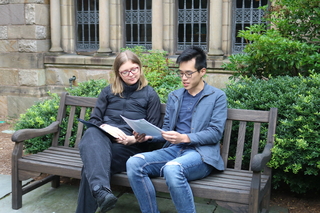
During these sessions, a trained observer conducts a group discussion alone with students during the last twenty minutes of class. The observer then discusses the feedback with the instructor, and may provide a non-evaluative summary of the feedback (upon request).
Classroom Assessment
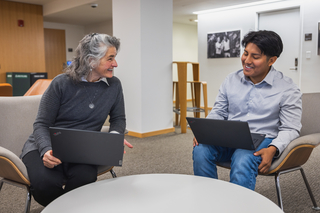
Through this process, instructors and students gather evidence of student learning to make decisions about further instruction and grading. Varied classroom assessment techniques and activities are used to help students develop a deeper understanding of classroom materials and practice applying course concepts. Classroom assessment also invites students to reflect on their learning and provide feedback on instruction, allowing for an iterative process.
Faculty Bulldog Days
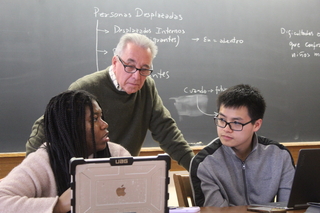
An opportunity to open your classroom to fellow instructors across disciplines so they may explore new disciplines and consider adapting methods of their own teaching.
“Faculty Bulldog Days is a celebration of what a university should be. Visiting my colleagues’ classes makes me feel like a student again. And I have opened up my classroom for the same reason: I love to share what I do with others.”
- Professor Eduardo Fernandez-Duque

Canvas @ Yale
This platform supports a wide variety of external and internal applications that integrate into Canvas to support teaching and learning for faculty and students.
Upcoming Events
-
Teaching in 2026: Faculty Connection and Reflection
The last few years have brought significant change and turmoil, and higher education has been met with many challenges —from AI disruption, fraught elections, funding cuts, questions of trust, and more. In moments that may feel uncertain or liminal, we believe in the importance of community. Please join us for this faculty event that will create space for connection, whether you want to intenti…
-
Teaching Across Disciplines with the Yale University Art Gallery’s Numismatics Collection: Thematic Approaches Across Disciplines
The Yale University Art Gallery’s holdings of coins, paper money, tokens, and medals – the study of which is called numismatics – exceed in range and depth those found at any other university in North America. This workshop series focuses on the capacity of the Gallery’s global numismatics collection to support learning goals in any discipline or subject. Money Matters comprises three 90-minute…
-
Teaching & Learning Discussion | Distinctly Human: Teaching Disciplinary Skills and Mitigating AI Learning Loss
As the landscape of AI continues to change rapidly, many of us find ourselves asking how we can continue to center the human in the classroom. How do we teach core disciplinary skills, mitigate learning loss, and reflect meaningfully on AI’s relationship to these things? What do we value humans doing, whether AI can do it or not? Our conversation will begin with insights from Brett Smith, S…
-
Faculty Fellows Event: Facilitating Complex Conversations in the Classroom
As instructors, how do we help students navigate controversial topics and discussions, especially those deeply intertwined with their lived experiences and identities? How do we know when to lean into hard conversations with our students? Please join us for a discussion about teaching across the disciplines with Tisa Wenger (Professor of American Religious History, Yale Divinity School, America…
-
Teaching Across Disciplines with the Yale University Art Gallery’s Numismatics Collection: Science, Technology, Networks
The Yale University Art Gallery’s holdings of coins, paper money, tokens, and medals – the study of which is called numismatics – exceed in range and depth those found at any other university in North America. This workshop series focuses on the capacity of the Gallery’s global numismatics collection to support learning goals in any discipline or subject. Money Matters comprises three 90-minute…
Teaching Resource Library
A collection of articles intended to support your journey as a Yale instructor.
We’re here to help!
Reach out to the Poorvu Center team if you have any questions or to learn more about our programs.